


Headache, numbness of the neck muscles, dizziness, loss of feeling in the hands are signs of osteochondrosis of the cervical spine.The disease is accompanied by dystrophic changes in the vertebral bodies, intervertebral discs and ligaments.Symptoms of cervical osteochondrosis appear at any age, the disease becomes younger.Associated with a sedentary lifestyle, the specifics of work, learning at a computer.As physical inactivity increases, the likelihood of developing the disease increases.Normally, the spine is constantly in motion, the intervertebral discs and vertebrae do not stagnate and function normally.When the body is forced into a monotonous position, the vertebrae atrophy and are no longer able to perform their assigned function.The cause of the disease is poor posture and abnormalities in the development of the bone skeleton.
Symptoms of cervical osteochondrosis

Changes to the vertebrae, intervertebral discs and ligaments disrupt the function of nerve endings and blood vessels that run from the spinal cord to the internal organs and brain.Symptoms of cervical osteochondrosis are accompanied by compression of nerve endings and blood vessels.Depending on the involvement of the organs in the pathological process, three groups of clinical signs of the disease are distinguished.
The first group includes neurological manifestations of the disease associated with effects on the peripheral nervous system.The second group includes symptoms recorded due to effects on the spinal cord.The third group of symptoms is associated with disruption of the nerve endings leading to the brain.
When there is a disorder of the peripheral nervous system, pain comes to the fore.They come in different intensity and character;general – pain is registered deep in the neck at the beginning of the disease.
With osteochondrosis of the cervical spine, shortness of breath often occurs.Patients find it difficult to breathe and have a lump in their throat.Pain in the neck is often dull, worsens after a night's sleep and the muscles become tense.
As the disease progresses, the hands become involved in the process - weakness and numbness appear.Pain occurs in the area of the heart.Signs indicate that cervicothoracic osteochondrosis has developed, the symptoms are localized in the chest.It manifests itself as pain in the lungs, liver, stomach and sometimes cough.Dystrophic diseases of articular cartilage are disguised as other diseases - angina pectoris, neuralgia.
Consequences

The vertebral artery supplies parts of the brain with oxygen;With dystrophic changes in the vertebrae, it becomes pinched and does not perform its function.Dizziness, headaches, blurred vision, tinnitus are signs of compression of the vascular bundle.Headaches due to osteochondrosis are not relieved by taking conventional painkillers.The pain increases when you turn or tilt your head.
Symptoms of cervical osteochondrosis with VSD intensify, signs of blood pressure instability and neuroses are observed.A VSD that occurs earlier is a sign of an early disease.These diseases have similar symptoms.To prescribe treatment, a complete examination of the body with tests, photos and MRI is required.Symptoms of exacerbation of cervical osteochondrosis are neurological disorders (irritation, sleep disorders, fatigue).An exacerbation of the disease occurs after physical exertion or nervous stress.
Osteochondrosis of the spine worsens the quality of life, prevents you from doing what you love, and the gradual destruction of the intervertebral discs leads to the need for their replacement.It is therefore worth recognizing the symptoms, thinking about the first signs of illness and taking your time.
Treatment of osteochondrosis
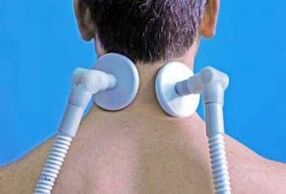
In the treatment of osteochondrosis, positive results are achieved using treatment methods.Drug therapy is combined with massage, physiotherapy, diet and light exercises.A comprehensive course will help you cope with the illness and return to work.
The drugs solve several problems at once: they eliminate inflammation, painful phenomena and stimulate the regeneration of cartilage and bone tissue.Anti-inflammatory drugs have a pain-relieving effect.With a prolonged course of the disease, when pain is observed for more than three months, antidepressants are indicated.The medication relieves nervousness and relieves pain.
For mild inflammation, tablets are prescribed;To achieve better results, injectable medications are prescribed.To improve tissue regeneration, relieve muscle tension and eliminate pain, the use of medicinal ointments is indicated.Sometimes painkillers are prescribed in the form of rectal suppositories (for stomach ulcers).
If symptoms of cervical osteochondrosis occur, treatment with injections is prescribed.The dosage of the medication depends on the patient's age and the presence of chronic diseases.Chondroprotectors have a positive effect - drugs that promote the restoration of cartilage and have an analgesic effect.
With cervicothoracic osteochondrosis, treatment includes an examination of the internal organs, since their function is impaired.Ten days are sufficient to treat acute pain in uncomplicated forms of the disease, followed by a rehabilitation phase as recommended by a doctor.Physiotherapy, massage and acupuncture sessions help recovery.Daily exercises shown.For people who are forced to spend the day in one position, light exercise should become the norm.
Osteochondrosis is easier to prevent than to cure.In order not to suffer from the disease, a healthy lifestyle with constant physical activity and alternating sports is recommended.The diet should be nutritious and fortified and smoking should be avoided.If you follow the rules, you have a chance to live until old age without pain and deterioration in life.